Article by: Sushil Chikane
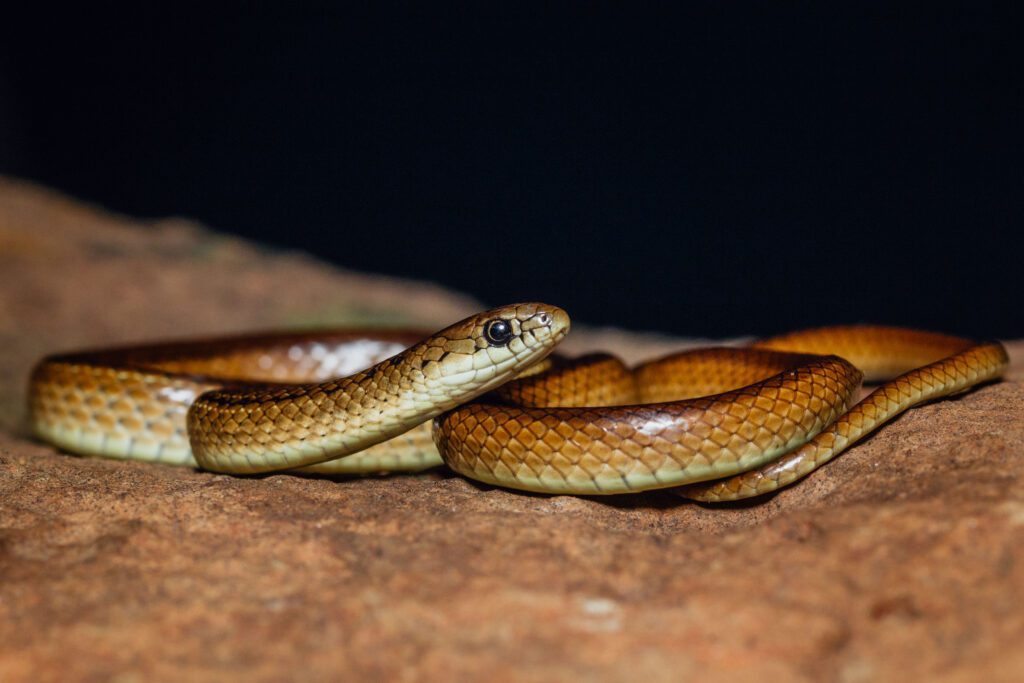
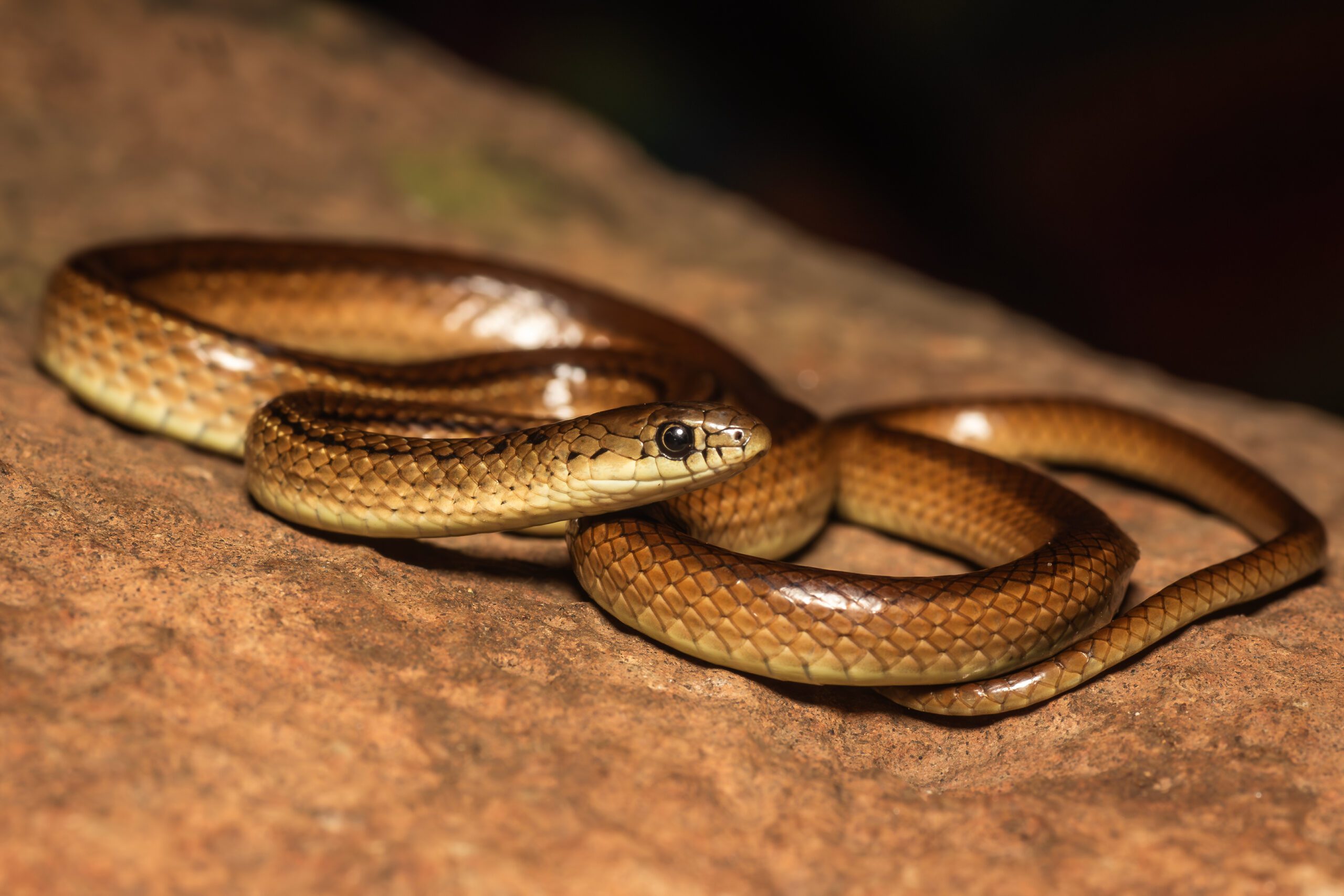
I remember the first-time hearing about this snake called the Lesser Striped Necked Snake. I was a first-year student for a Masters Course in Biodiversity, on a bus to Kaas Plateau. Kaas has the status of a World Biodiversity Hotspot due to its rich lateritic plateau with rare, endemic flora and fauna.
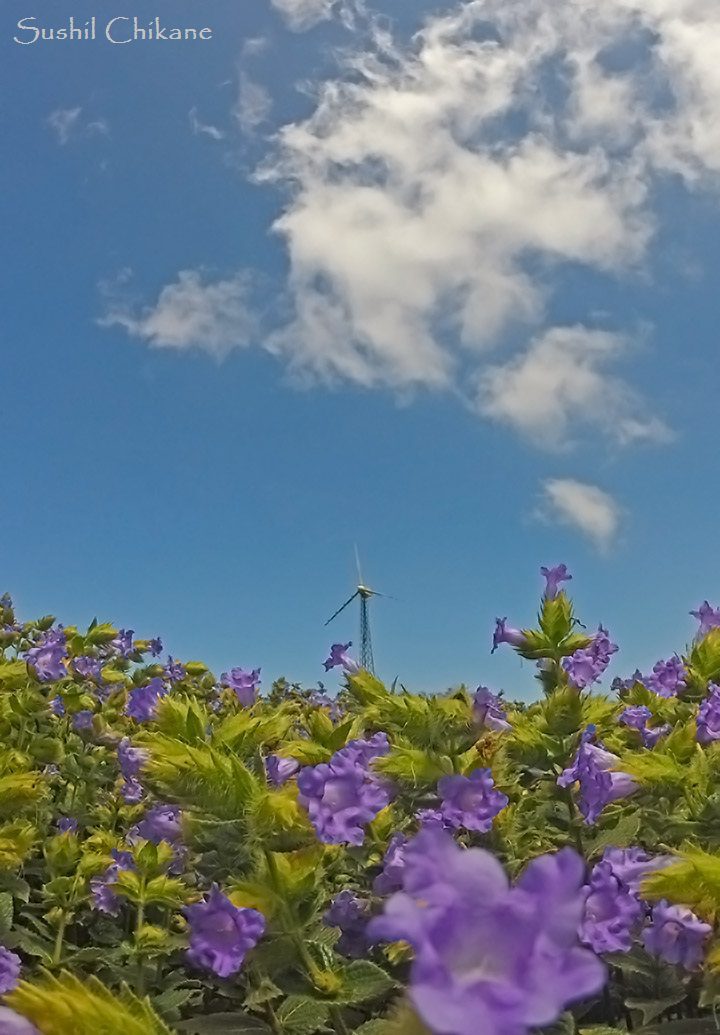
Image Courtesies- Sushil Chikane
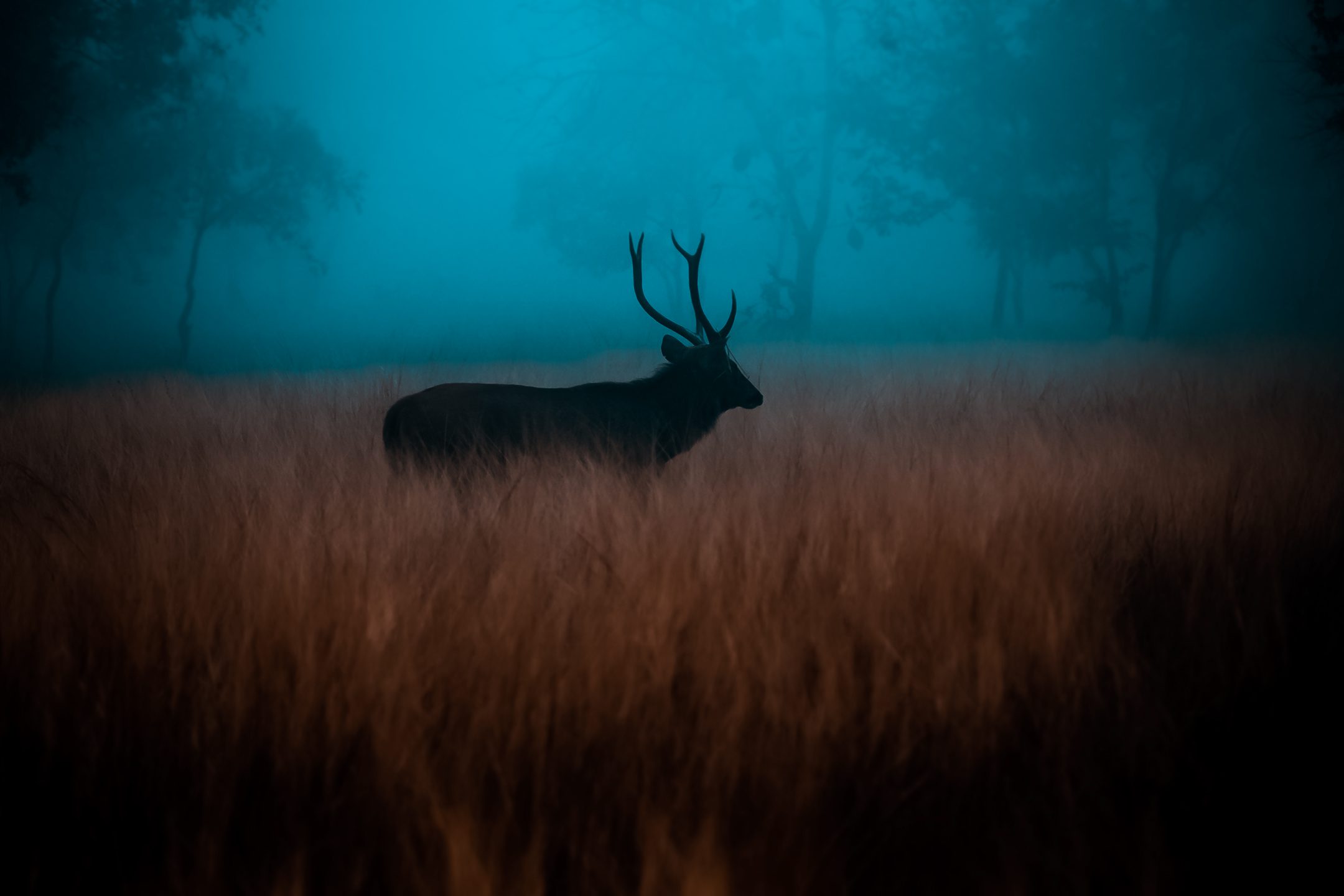
Kaas region is in Satara district, Maharashtra. This region mainly consists of a lateritic plateau exposed to wind on two sides. This ecosystem is characterized by extreme conditions with highly patchy and temporally variable resources. These systems are fragile and highly vulnerable to change. This region gets ample rainfall in monsoons creating water logged areas with a wide range of floral and faunal life. These conditions drastically change towards the end of the rainy season creating a harsh environment for various organisms to survive. The plateau is covered by plants during monsoons while most of which vanish post monsoons leaving behind a few clusters of bushes with grass elsewhere. The south-eastern slope is flanked by thick forest cover while north-western being exposed to wind shows fever vegetation.
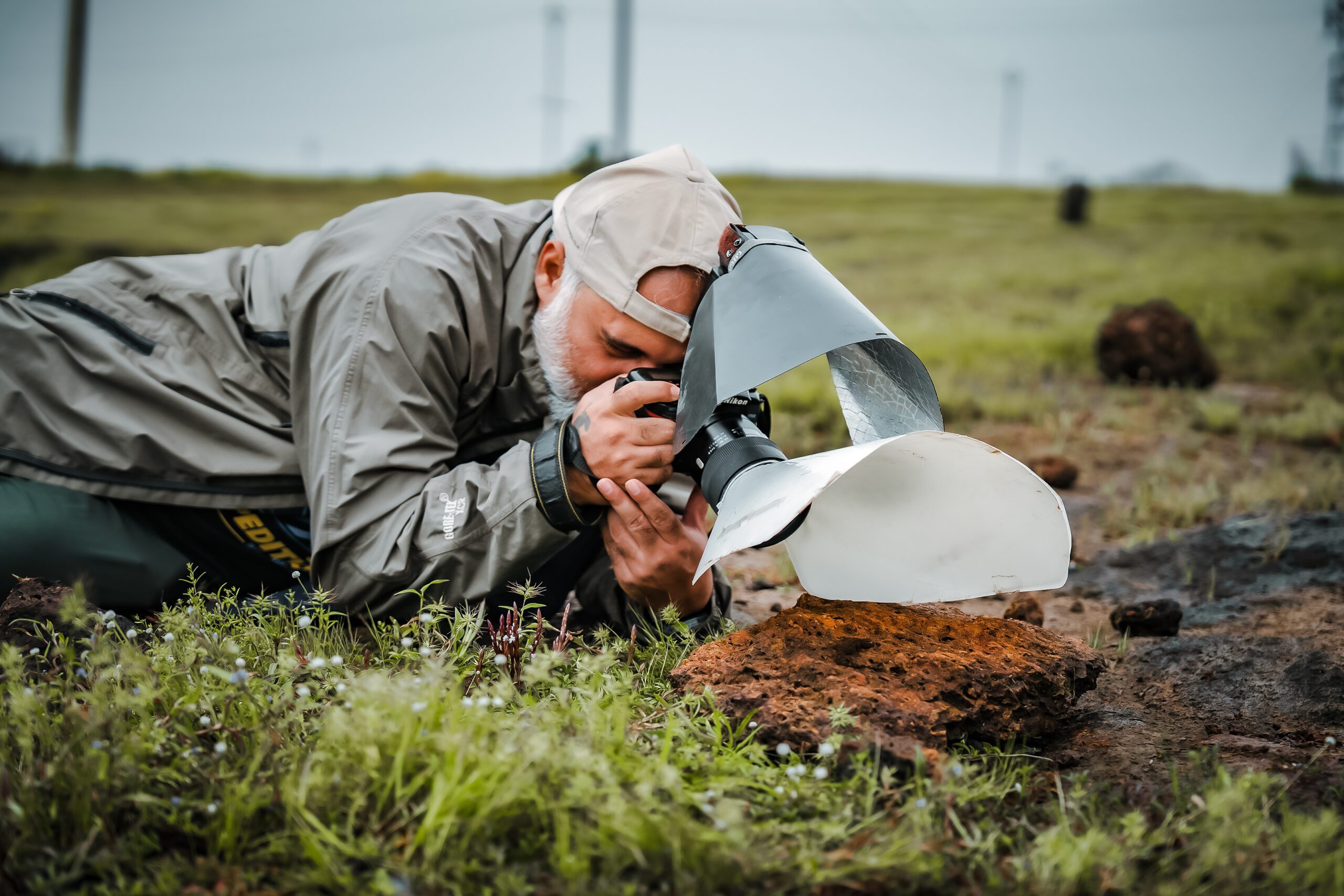
Image Courtesies- Nilesh Ranadive
A teacher told us a tale that they had been looking for this snake for more than a decade and that the only time they did manage to see one was when a Saw Scaled Viper regurgitated it out. They had been working hard for 10 years and yet no sign of the snake.
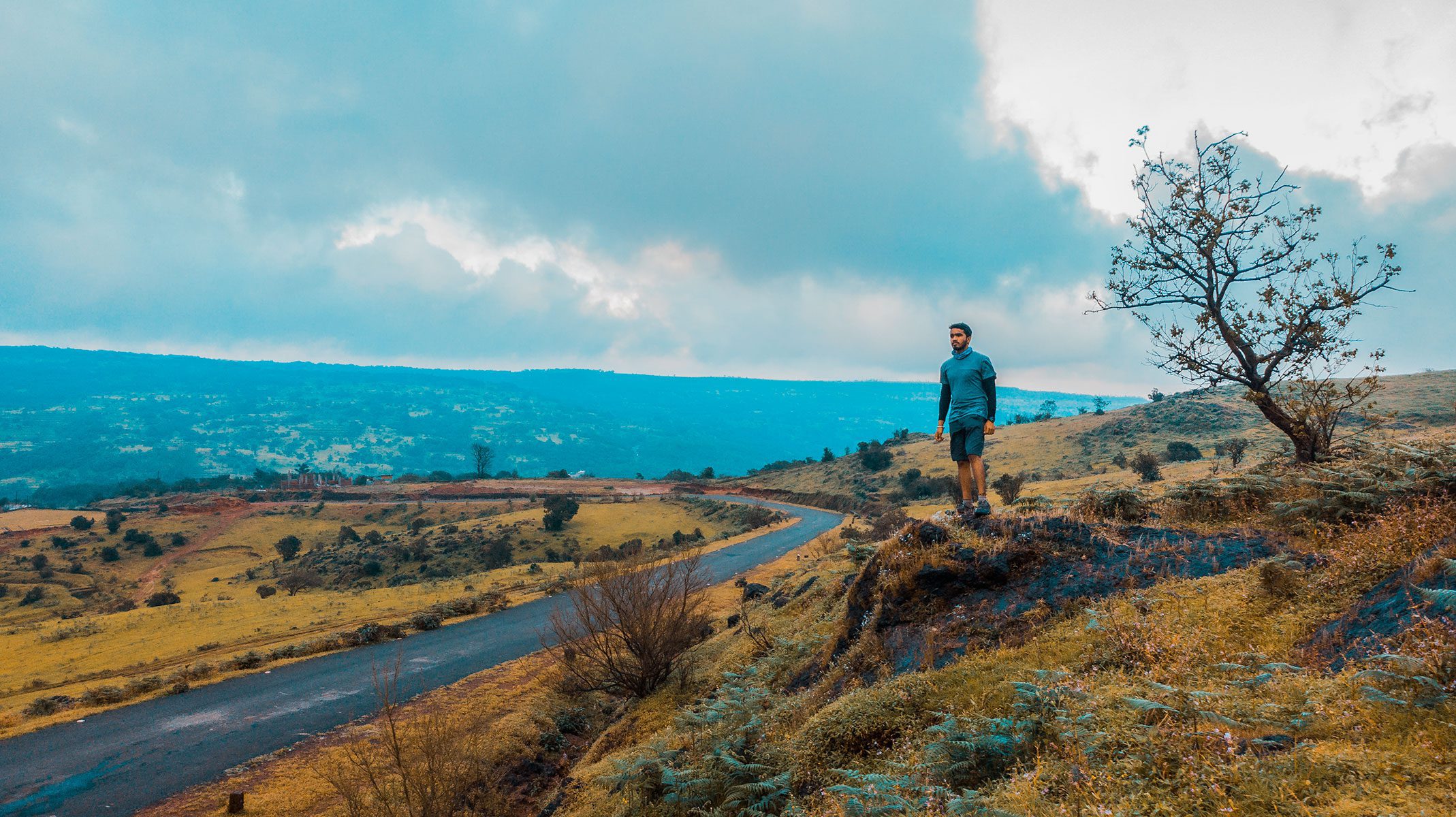
Image Courtesies- Sushil Chikane
Hearing it was rare, I did not hope to see it. It was a botany field trip, but the herpetologist in me made me turn rocks instead of checking the plant inflorescence. My partner in crime was another friend. The first massive boulder we chose to turn, needed more than two of us for it. Once turned we were so busy holding the rock that we barely saw what was under it. All we heard later was, “Do not let this one go!!!”. My friend was quick and caught a snake under it. To everyone’s surprise, another head popped out of the grass adjacent to the first snake. I grabbed the second one. What happened next was something no one expected. Both the snakes were the elusive Lesser Striped Necked Snakes that were mating. Record shots were clicked by the teacher as he was the only one with a camera and the snake was left undisturbed, where they could multiply. I went home happy being a part of an unforgettable event and then that was it. When I looked for images and publications about the species, there was barely any information about it. Even most field guides failed to have any images of the species.
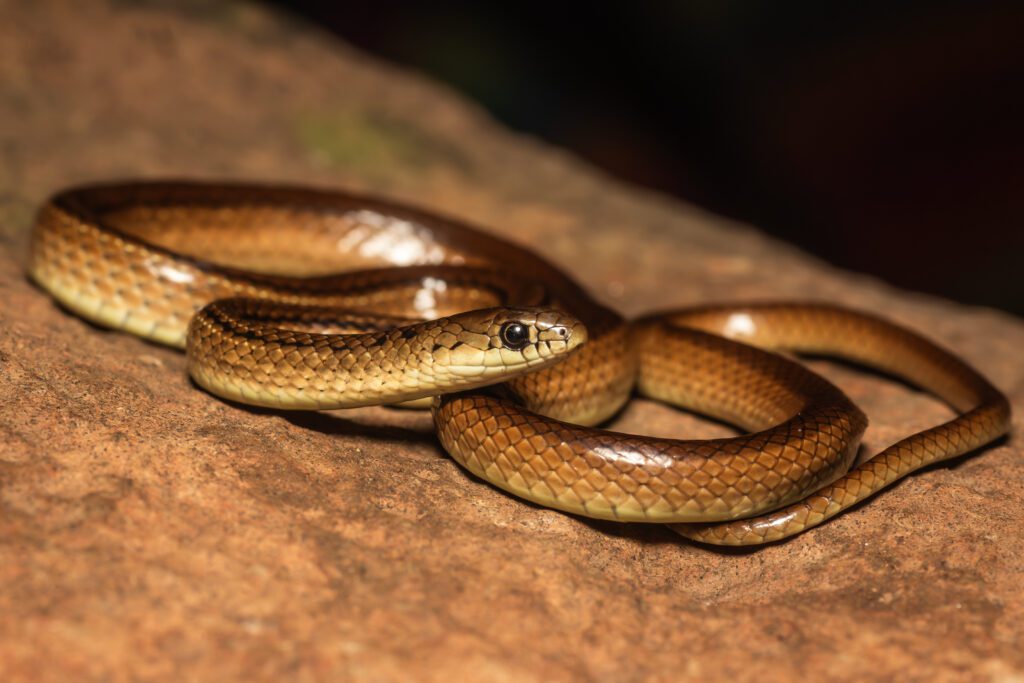
Image Courtesies- Sushil Chikane
A year later, I decided to study the lizard ecology of lateritic plateaus of Satara. While looking for the lizards in the heavy rains of July, I and my field assistant found the snake again. With time, we found more of the species and understood many insights about the species. It was then that I realized that often species are not rare, but they are uncommon. It is us who fail to find them…