Article by: Sushil Chikane
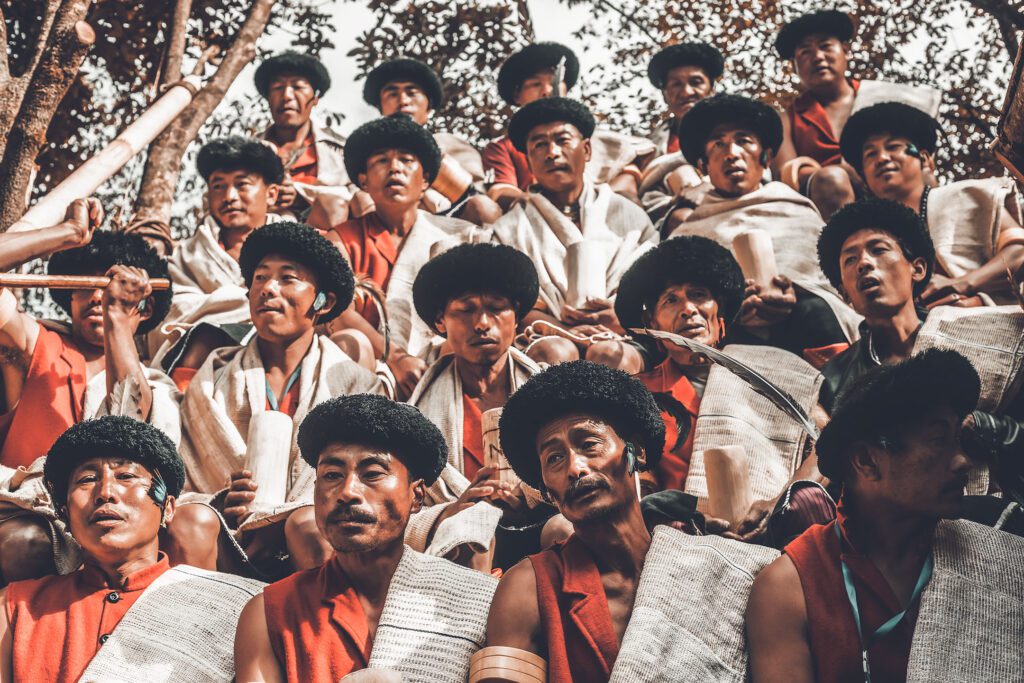
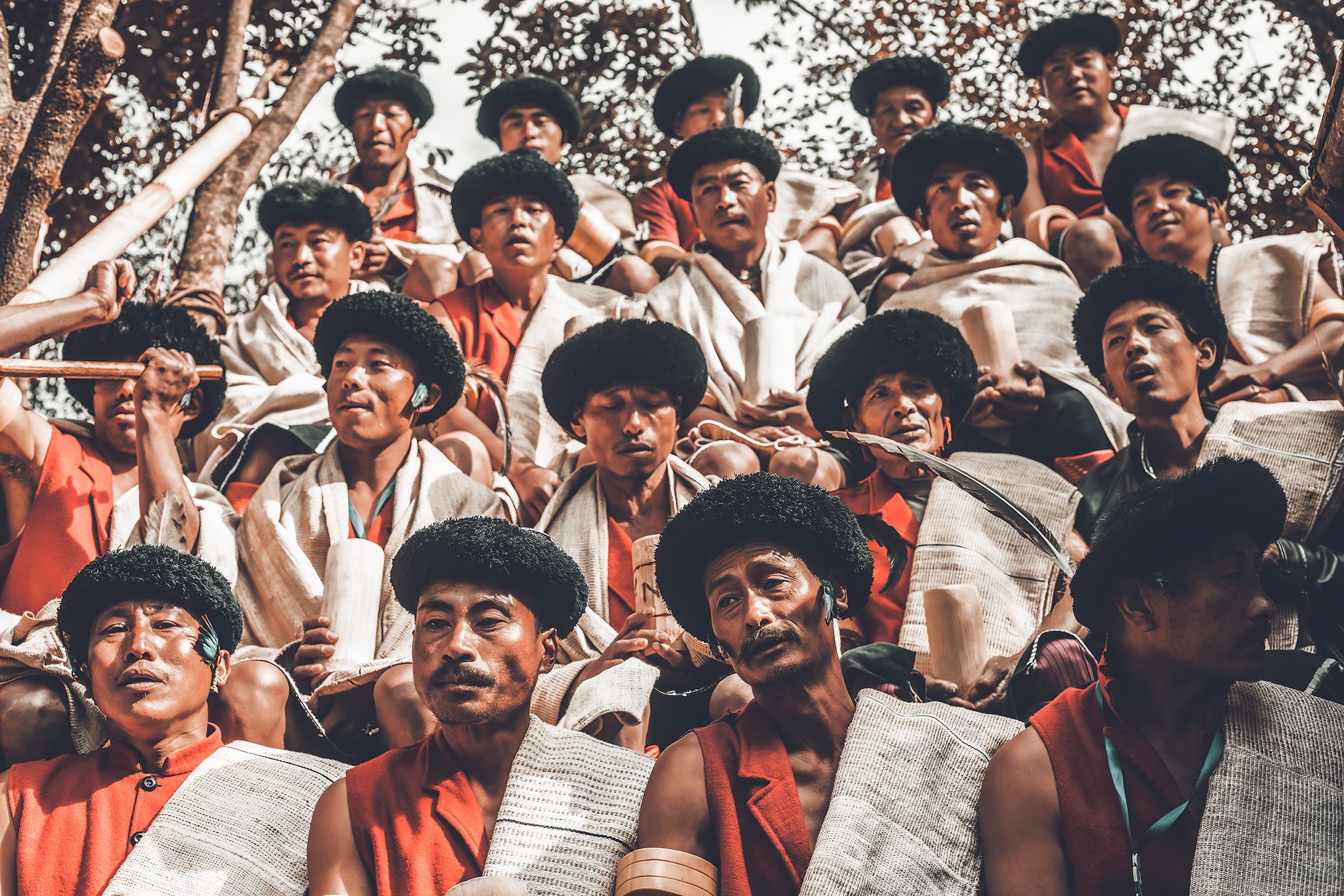
Every December, from the 1st to the 10th, the misty hills of Kohima come alive for the Hornbill Festival, widely celebrated as the “Festival of Festivals.” Hosted primarily at the Kisama Heritage Village, this ten-day cultural extravaganza brings together all 17 major Naga tribes under one roof to showcase their warrior traditions, folk music, indigenous sports, and fiery cuisine.
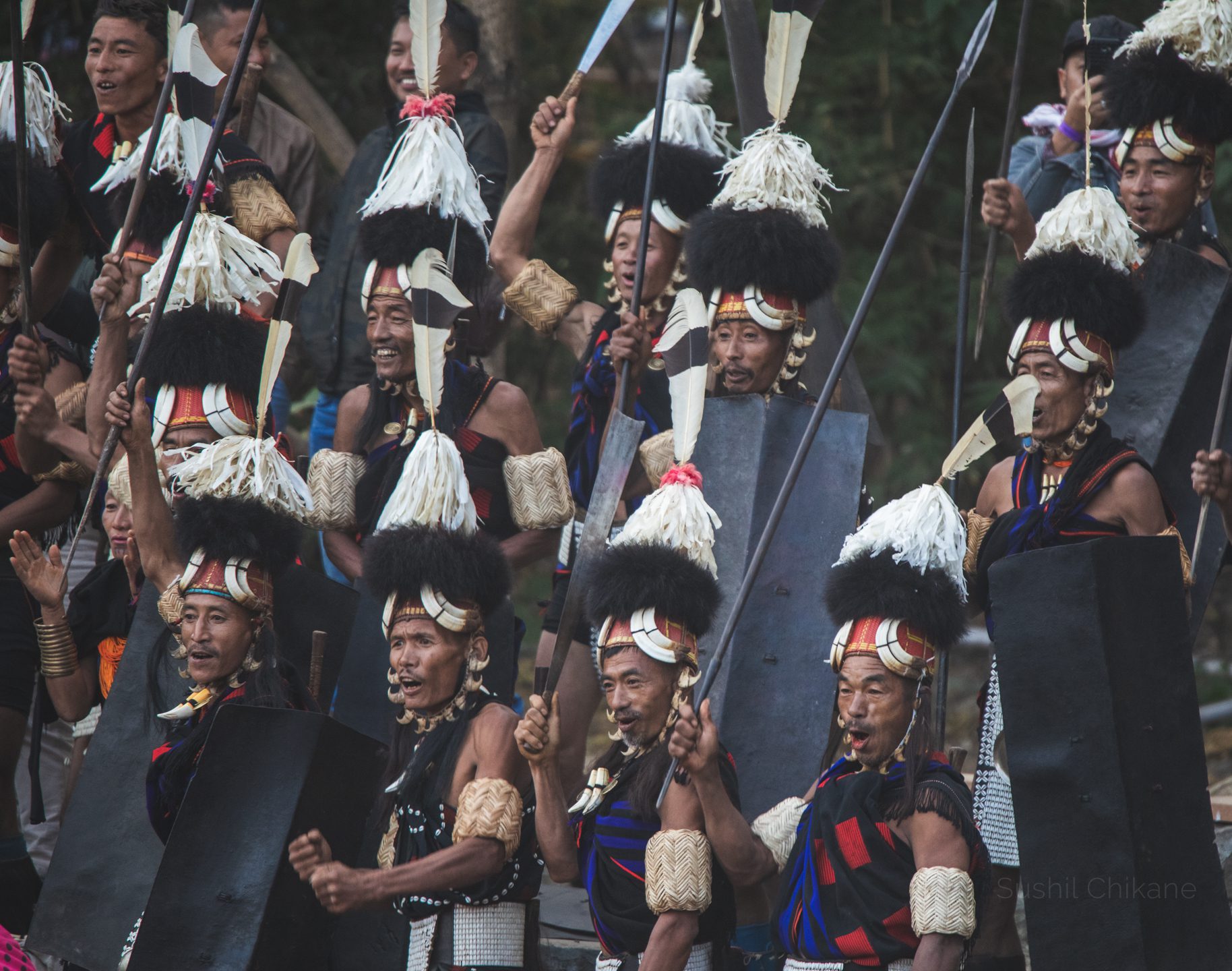
Image Courtesies- Sushil Chikane
Witness the Cultural Performances at Kisama Arena
Start your mornings at the main amphitheater in Kisama Heritage Village, located about 12 km from Kohima. Throughout the day, different tribes take turns performing traditional war dances, harvest songs, and folk dramas. Clad in intricate handwoven shawls, hornbill-feathered headgear, and boar-tusk necklaces, the performers bring centuries-old oral histories to life with rhythmic chanting and log-drum beats.
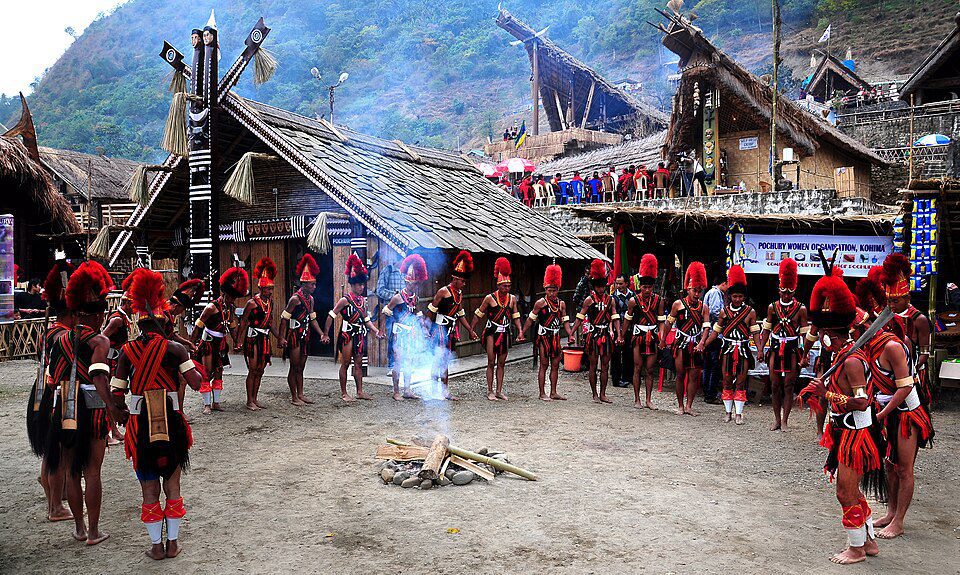
Image Courtesies- Deba Prasad Roy, CC0, via Wikimedia Commons
Explore the Tribal Morungs
Surrounding the main arena are the Morungs, traditional youth dormitories built in the distinct architectural styles of each Naga tribe. Step inside to inspect intricate wood carvings, ancestral skulls, bamboo crafts, and traditional weaponry. Most Morungs also serve local snacks and rice beer, offering a relaxed setting to chat directly with community elders and artisans.
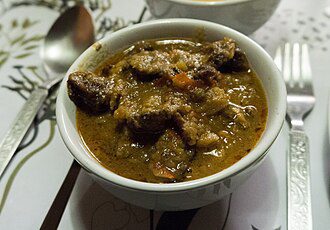
Image Courtesies- Sumit Surai, CC BY-SA 4.0, via Wikimedia Commons
Feast on Authentic Naga Cuisine
Nagaland is a paradise for adventurous eaters. Head to the food stalls at Kisama to sample regional staples like smoked pork with bamboo shoot, axone (fermented soybean) stews, steamed sticky rice, and silkworm larvae. Pair your meal with a bamboo mug of Zutho (sweet fermented rice beer) to balance the heat of the local chilies.
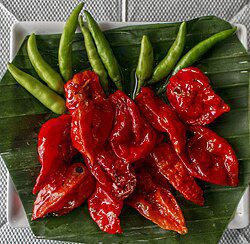
Image Courtesy- Vikramjit Kakati, CC BY-SA 4.0, via Wikimedia Commons
Brave the Naga King Chili Eating Competition
Think you can handle spicy food? Put your taste buds to the test or cheer from the sidelines, at the legendary Naga King Chili (Raja Mircha) Eating Competition. Measuring over one million Scoville Heat Units, the Bhut Jolokia is among the hottest chilies in the world. Watching contestants race against the clock while munching on raw king chilies is one of the festival’s most entertaining spectacles.
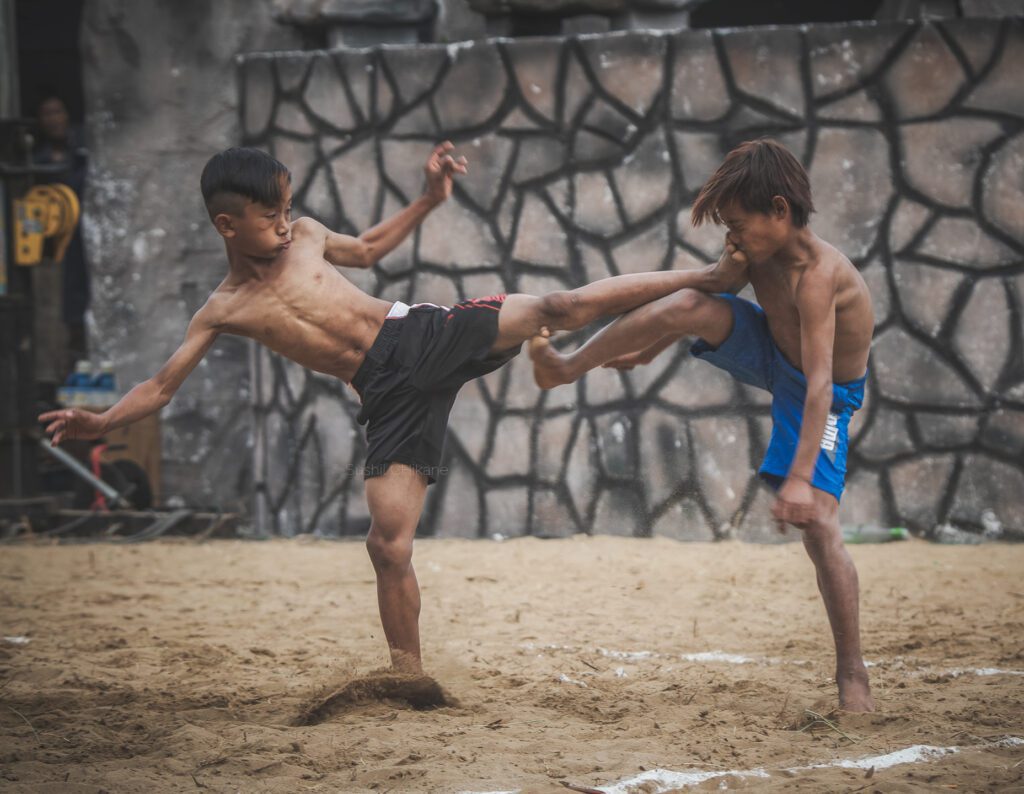
Image Courtesy- Sushil Chikane
Cheer at Traditional Naga Indigenous Games
Head to the grounds to watch athletes compete in high-energy traditional sports. From Naga wrestling (Kene) and greased bamboo pole climbing to spear throwing, stilt walking, and fire-making competitions, these events highlight the physical agility and survival skills rooted in Naga heritage.

Image Courtesy- JyotiPN, CC BY-SA 4.0, via Wikimedia Commons
Rock Out at the Hornbill International Music Festival
When the sun sets over Kisama, the vibe shifts from ancient tradition to modern electric energy. The Hornbill International Music Festival, one of India’s largest open-air rock and indie music festivals, features top bands from Northeast India, across the country, and around the globe, culminating in the prestigious Hornbill International Rock Contest.
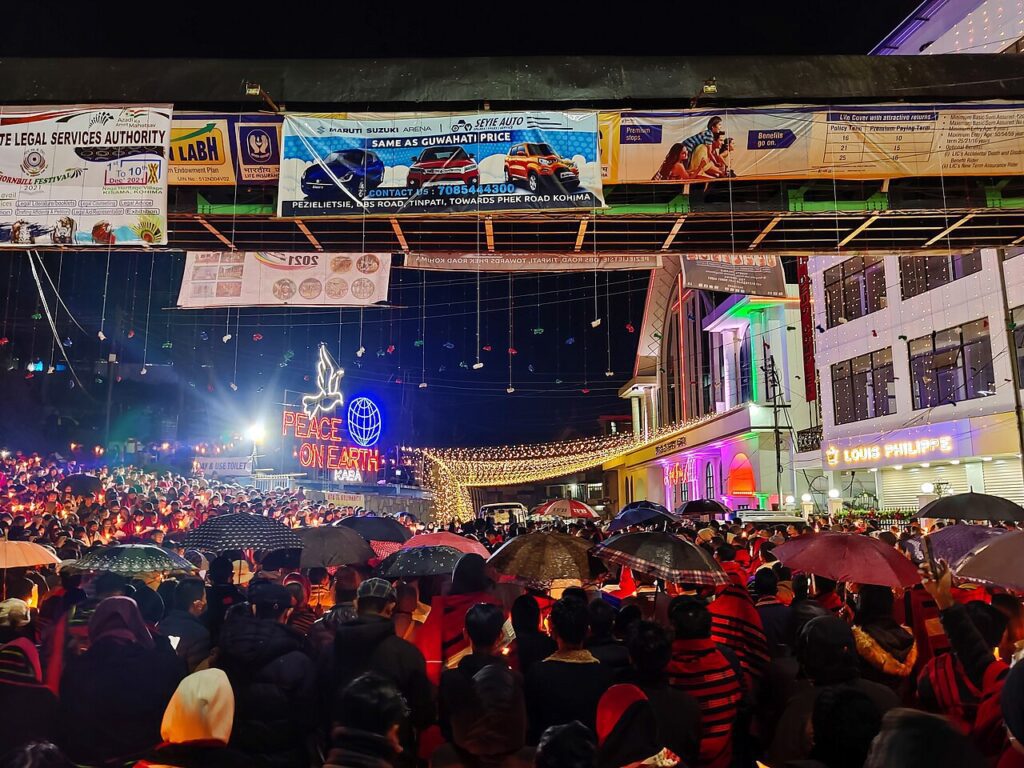
Image Courtesy- Wikimedia Commons
Stroll Through the Kohima Night Carnival
After the daytime festivities wind down, head into downtown Kohima for the bustling Night Carnival. Main streets close to traffic and transform into a lively pedestrian promenade lined with fairy lights, street food vendors, pop-up fashion boutiques, live acoustic buskers, and carnival games.
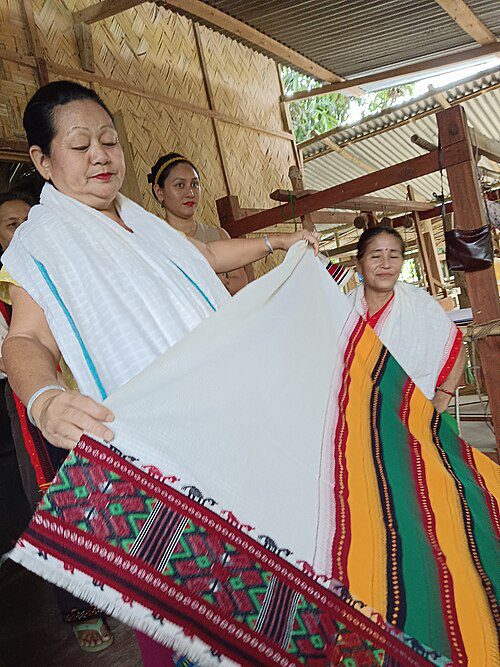
Image Courtesy- Arina Bardhan, CC BY-SA 4.0, via Wikimedia Commons
Shop for Handlooms and Tribal Crafts
Support local artisans by browsing the handloom and handicraft pavilions at Kisama. Look for authentic Naga shawls (each tribe has its own distinct weave and color symbolism), hand-carved wooden tableware, cane baskets, and vibrant beaded jewelry.
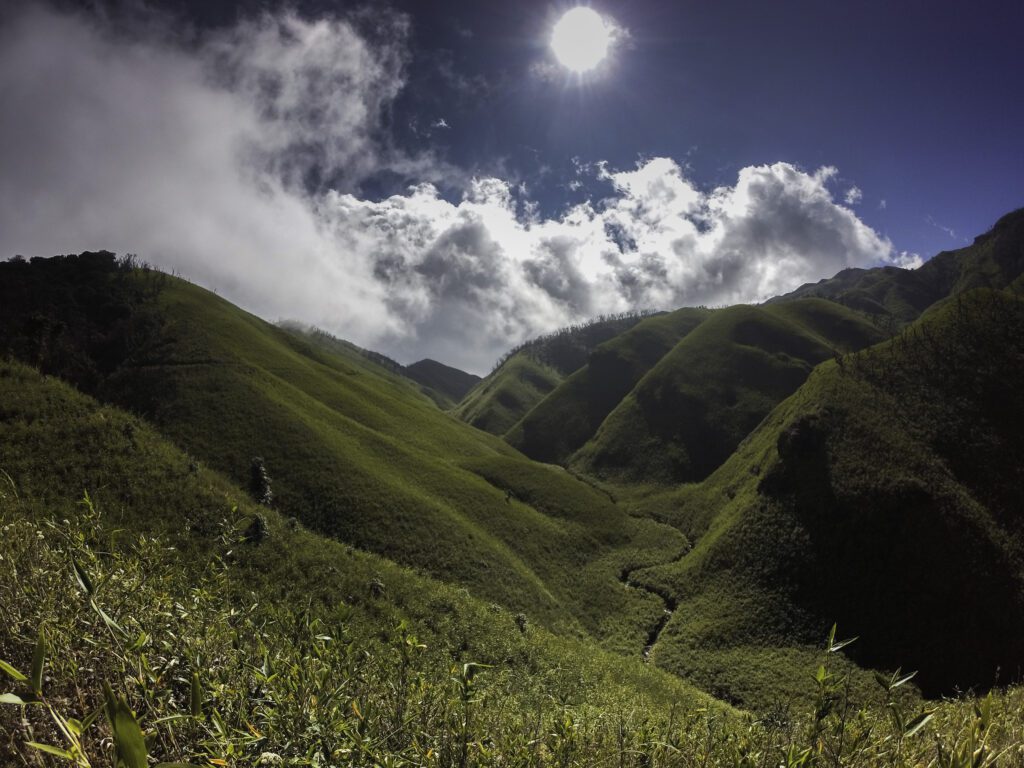
Image Courtesy- Sushil Chikane
Trek the Dzukou Valley
Take a break from the festival crowds with a trek to the Dzukou Valley, straddling the border of Nagaland and Manipur. Famous for its rolling emerald hills, seasonal lilies, and dramatic cloudscapes, the trail starts near Viswema or Zakhama, just a short drive from Kisama and can be done as a strenuous day hike or an overnight camping trip.
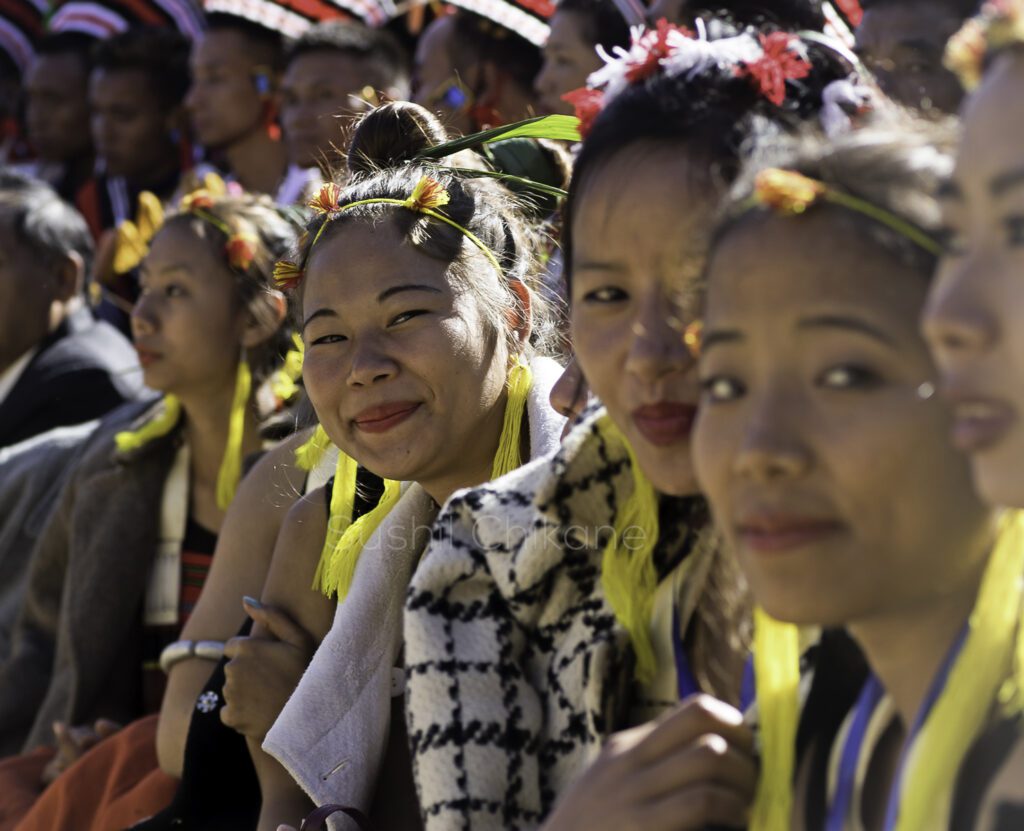
Image Courtesy- Sushil Chikane
Visit the Kohima War Cemetery and Khonoma Green Village
Round out your trip with two deeply moving nearby excursions:
- Kohima War Cemetery: A peaceful, terraced memorial honoring the Allied soldiers who fought in the pivotal 1944 Battle of Kohima during World War II.
- Khonoma Village: Located about 20 km west of Kohima, Asia’s first “Green Village” is renowned for its community-led conservation efforts, terraced paddy fields, and historic stone fortifications.